
Talc Powder Grades by Industry: A Practical Buyer Guide
Also, Mesh size alone does not define a talc grade. Instead, buyers should compare mineralogy, particle size, brightness, oil absorption, chemistry, shape, moisture, bulk density, surface treatment, compliance and test results.
Article navigation
Also, There is no single standard for “paint grade”, “plastic grade” or “cosmetic grade” talc. These labels only show the intended use. Therefore, buyers should set clear property limits, test methods and trial targets before approval.
How to select a talc grade
- First, define the function. For example, the target may be stiffness, matting, barrier performance, pitch control, fluxing or cost reduction.
- Next, map the process limits. Record the polymer, coating system, firing profile, wet-end chemistry, mixing equipment and final quality limits.
- Then, set clear material limits. Specify particle size, chemistry, mineralogy, brightness, moisture, bulk density and contaminants with named methods.
- After that, run application trials. A COA cannot replace tests in the real formula, extrusion line, coating, paper machine, ceramic body or rubber compound.
- Finally, approve one controlled grade. Lock the product code, specification version, COA fields, packaging, change-control rules and reapproval triggers.
Therefore, For fine talc, use D10, D50, D90 and oversize with one agreed method. In contrast, mesh alone does not show the full particle range.
Properties that distinguish talc grades
| Property | Why it matters | Buyer control |
|---|---|---|
| Mineralogy and talc content | For example, Controls platy structure, softness, chemistry and application behaviour. | Therefore, Define mineral phases and relevant impurity limits. |
| Particle size distribution | In addition, Affects dispersion, reinforcement, smoothness, opacity, abrasion and processing. | However, Use D10, D50, D90, top cut or residue with a named method. |
| Aspect ratio and morphology | Also, Affects stiffness, barrier action, strength and flow. | For example, Review morphology data and validate in the application. |
| Brightness, whiteness and colour | Therefore, Influences final colour, tint strength and visual consistency. | In addition, Specify instrument, illuminant, observer and reporting system. |
| Oil absorption | Affects binder demand and flow. | However, Use a controlled method and formulation trial. |
| Moisture and LOD | Also, Affects flow, caking, drying demand and water-sensitive polymers. | Name the method and conditions. |
| Bulk density | For example, Affects feeding, packaging and dosing consistency. | Therefore, Distinguish loose and tapped bulk density. |
| Chemistry | In addition, MgO, SiO2, CaO, Fe2O3, Al2O3 and LOI help show grade consistency and impurities. | Set application-relevant limits. |
| Hard contaminants | However, Can damage equipment, screens, dies and finished surfaces. | Also, Use mineralogical review, residue testing and trials. |
| Surface treatment | For example, Can improve polymer fit and dispersion. | Therefore, Specify treatment chemistry and change notification. |
| Microbiology and trace contaminants | In addition, Important for personal care, pharmaceutical and other sensitive uses. | However, Use application-specific regulatory documentation. |
Industry selection matrix
| Industry | Typical function | Primary controls | Qualification |
|---|---|---|---|
| Paints and coatings | Also, Extender, matting, barrier, rheology. | For example, PSD, oil absorption, brightness, morphology, moisture. | Therefore, Viscosity, gloss, opacity, settling, film strength. |
| Plastics | In addition, Stiffness, dimensional stability, heat performance. | However, PSD, aspect ratio, moisture, bulk density, treatment. | Also, Mechanical properties, shrinkage, warpage, colour. |
| Paper and pulp | Pitch control, filler, smoothness. | For example, PSD, brightness, purity, abrasion, surface behaviour. | Therefore, Retention, drainage, deposits, opacity, printability. |
| Ceramics | In addition, Flux contribution and body adjustment. | However, Mineralogy, chemistry, LOI, PSD, iron. | Also, Shrinkage, warpage, firing colour, absorption. |
| Rubber | Filler, process aid, barrier. | For example, PSD, morphology, moisture, purity, bulk density. | Therefore, Mixing, cure, tensile, hardness, permeability. |
| Personal care | Slip, softness, absorbency. | In addition, Purity, microbiology, particle characteristics, contaminants. | However, Legal review, sensory tests, safety and stability. |
| Pharmaceutical | Also, Excipient or process role where permitted. | For example, Approved limits, identity, purity and microbiology. | Therefore, Supplier approval and product testing. |
Paint and coating grade talc
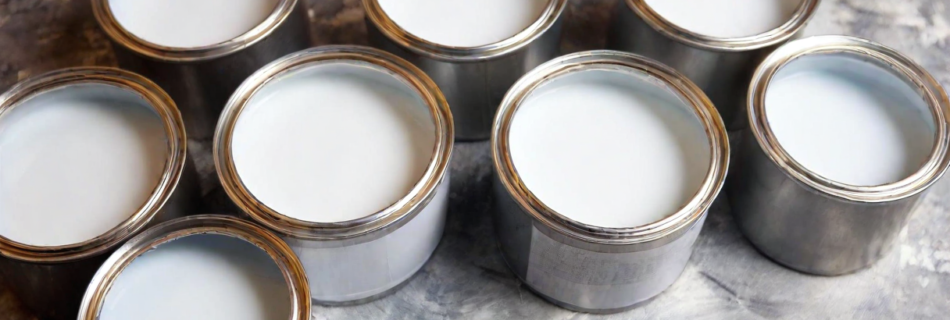
In addition, Paint-grade talc can improve film strength, sanding, matting, barrier action and flow. However, the right particle size and oil absorption depend on the coating type, such as primer, putty, wall paint or marine coating.
| Buyer question | Material evidence | Application test |
|---|---|---|
| Will it disperse at available shear? | Also, PSD, oversize, oil absorption and dispersion notes. | For example, Hegman grind, viscosity and mixing time. |
| Will it change gloss or opacity? | PSD, brightness and morphology. | Therefore, Gloss, opacity, colour and film appearance. |
| Will it settle or thicken? | In addition, Oil absorption, bulk density and surface behaviour. | However, Storage stability, settling and rheology. |
| Will it improve durability? | Mineralogy and platy morphology. | Also, Cracking, water resistance and weathering. |
Plastic grade talc
However, Plastic compounds often use talc to raise stiffness, reduce shrinkage and improve heat performance. However, very fine particles alone do not ensure good reinforcement.
| Target | Grade characteristic | Trial result |
|---|---|---|
| Higher stiffness | For example, Platy morphology, controlled PSD and good dispersion. | Therefore, Flexural modulus and tensile properties. |
| Lower shrinkage and warpage | In addition, Consistent morphology and loading dispersion. | However, Mould shrinkage, warpage and final dimensions. |
| Stable processing | Also, Low moisture, controlled bulk density and oversize. | For example, Feeding, pressure, screen pack and throughput. |
| Colour consistency | Therefore, Brightness, yellowness and low coloured contaminants. | Compound colour and lot delta. |
| Improved compatibility | In addition, Validated surface treatment where required. | However, Dispersion and mechanical properties. |
Paper and pulp grade talc
Also, In paper mills, talc can help control pitch and stickies. It may also improve filler use, smoothness and print quality. However, the right grade depends on fibre mix, recycled content, wet-end chemistry and machine settings.
| Use | Critical controls | Mill trial |
|---|---|---|
| Pitch and stickies control | For example, Surface characteristics, purity, PSD and dispersion. | Therefore, Deposit count, cleanliness, retention and drainage. |
| Filler | In addition, Brightness, PSD, abrasion and consistency. | However, Opacity, smoothness, strength and printability. |
| Recycled fibre | Also, Contaminant control and wet-end interaction. | For example, Runability, deposits and chemical demand. |
Ceramic grade talc
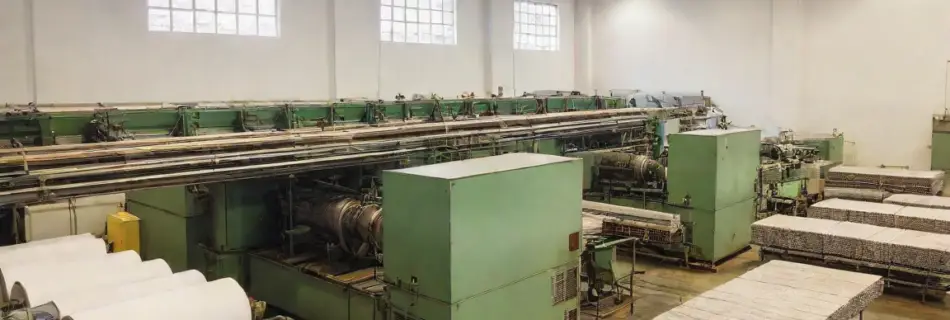
In addition, Ceramic talc works as part of a body or glaze recipe. Therefore, mineralogy and chemistry matter more than whiteness alone. The full raw-material mix controls firing results.
| Concern | Material control | Firing test |
|---|---|---|
| Fluxing and maturation | Mineralogy, chemistry and LOI. | Therefore, Firing curve, maturity and water absorption. |
| Colour after firing | In addition, Iron, coloured minerals and lot consistency. | However, Fired colour under the actual kiln cycle. |
| Dimensional stability | PSD, mineralogy and chemistry. | Also, Shrinkage, warpage and thermal expansion. |
| Body strength | For example, Grade consistency and formulation compatibility. | Green and fired strength. |

Rubber grade talc
Therefore, Rubber compounds may use talc as a filler, process aid, anti-blocking mineral or barrier material. Therefore, buyers should test the grade with the real compound, mixing order and cure system.
| Requirement | Grade evidence | Compound test |
|---|---|---|
| Stable mixing | In addition, PSD, bulk density, moisture and low oversize. | However, Mixing energy, dispersion and consistency. |
| Mechanical balance | Morphology and purity. | Also, Tensile, elongation, hardness and tear. |
| Cure compatibility | Chemistry and surface condition. | Rheometer curve and cure time. |
| Barrier performance | Platy structure and dispersion. | Permeability and ageing. |
Cosmetic and pharmaceutical talc
For example, Personal care and pharmaceutical uses need a separate approval path. An industrial COA is not enough. In addition, buyers should check legal use, identity, purity, microbes, trace contaminants, asbestos testing, change control, hygiene and final-product risk.
Therefore, the material, factory controls, test plan, documents and legal status must all support the intended use.
| Control area | Expected evidence | Buyer action |
|---|---|---|
| Identity and purity | For example, Approved specification and suitable methods. | Therefore, Verify for the intended market and product category. |
| Asbestos control | In addition, Documented sampling and analytical approach. | However, Review method capability, laboratory competence and traceability. |
| Microbiology | Also, Defined limits and methods where applicable. | For example, Align with finished-product requirements. |
| Trace contaminants | Therefore, Use-specific limits and test results. | Check safety and legal relevance. |
| Manufacturing control | In addition, Hygiene, segregation, change control and traceability. | However, Complete supplier approval and an audit when needed. |

How to review a talc COA
Supplier qualification and change control
- First, review the supplier specification, COA format, SDS, origin and process flow.
- Next, confirm the sampling and test methods.
- Then, test several representative lots.
- In addition, run application trials under normal and difficult conditions.
- Also, After approval, define the allowed packaging, storage and transport.
- Also, set lot acceptance, re-test and dispute rules.
- Moreover, require notice before changes to source, processing, grinding, classification, treatment or test methods.
- Finally, requalify the grade after any change that may affect performance.
For example, a product called “325 mesh” or “Plastic Grade A” from one supplier may differ greatly from a product with the same name from another supplier.
Information to include in a talc inquiry
| Field | What to provide | Why it matters |
|---|---|---|
| Application | For example, Paint, PP compound, paper, ceramic body, rubber or regulated use. | Determines performance criteria. |
| Function | Therefore, Stiffness, matting, pitch control, fluxing, barrier or filler. | Guides grade selection. |
| Current material | In addition, Supplier grade, COA or reference sample. | Supports comparison. |
| Required PSD | However, D10, D50, D90, top cut or residue with method. | Avoids mesh-only ambiguity. |
| Colour requirement | Also, Whiteness, brightness or L*a*b* with method. | Prevents basis mismatch. |
| Chemical limits | For example, Relevant oxides, LOI and impurities. | Controls process risk. |
| Documents | Therefore, SDS, origin and application-specific declarations. | Defines the compliance path. |
| Quantity and destination | In addition, Trial quantity, annual demand, packaging and delivery point. | Supports logistics and quotation. |
Frequently asked questions
Is 325 mesh enough to define a talc grade?
As a result, No. It does not define the full fine-particle distribution, morphology, chemistry, brightness, moisture, bulk density or contaminants.
Can one talc grade work in paint, plastics and paper?
However, Possibly. However, each industry has different performance and document needs. Therefore, validate the grade before cross-industry use.
What is the most important property for plastic talc?
Also, There is no single key property. Instead, particle size, shape, dispersion, moisture, treatment and contamination work together.
Does higher whiteness always mean a better grade?
Also, No. Although whiteness may matter, it does not replace mineralogy, particle size, purity or application testing.
Can a supplier COA replace an application trial?
Therefore, No. A COA confirms listed properties. However, it does not prove performance in a real formula or process.
Is cosmetic talc just a finer industrial talc?
For example, No. Cosmetic use needs a separate system for purity, safety, legal review, production control and testing.
Should buyers specify mesh or microns?
However, For fine talc, specify the full size range in micrometres. Also include any residue or top-cut limit.
What should trigger requalification?
Therefore, Changes to ore source, processing, grinding, classification, treatment, packaging or test methods.
Related talc procurement resources
Technical references
In addition, IMA-Europe describes talc as a hydrated magnesium sheet silicate and notes that no two talc ores are identical.
In addition, USGS Mineral Commodity Summaries 2026 reports major talc uses in plastics, paint, ceramics, paper, roofing and rubber.
For example, US FDA talc information provides current regulatory and testing context for talc-containing cosmetics.
Need a grade matched to your process?
First, send the application and target function. Then add the current grade or COA, particle-size need, colour target, chemistry limits, quantity, packaging, destination and required documents.