
Antimony ore, concentrate and ingots supply
AHR reviews antimony by material form, Sb assay, moisture, impurities, quantity, packing, destination, inspection and shipment documents. Buyers receive a clearer basis for a quotation-ready request.
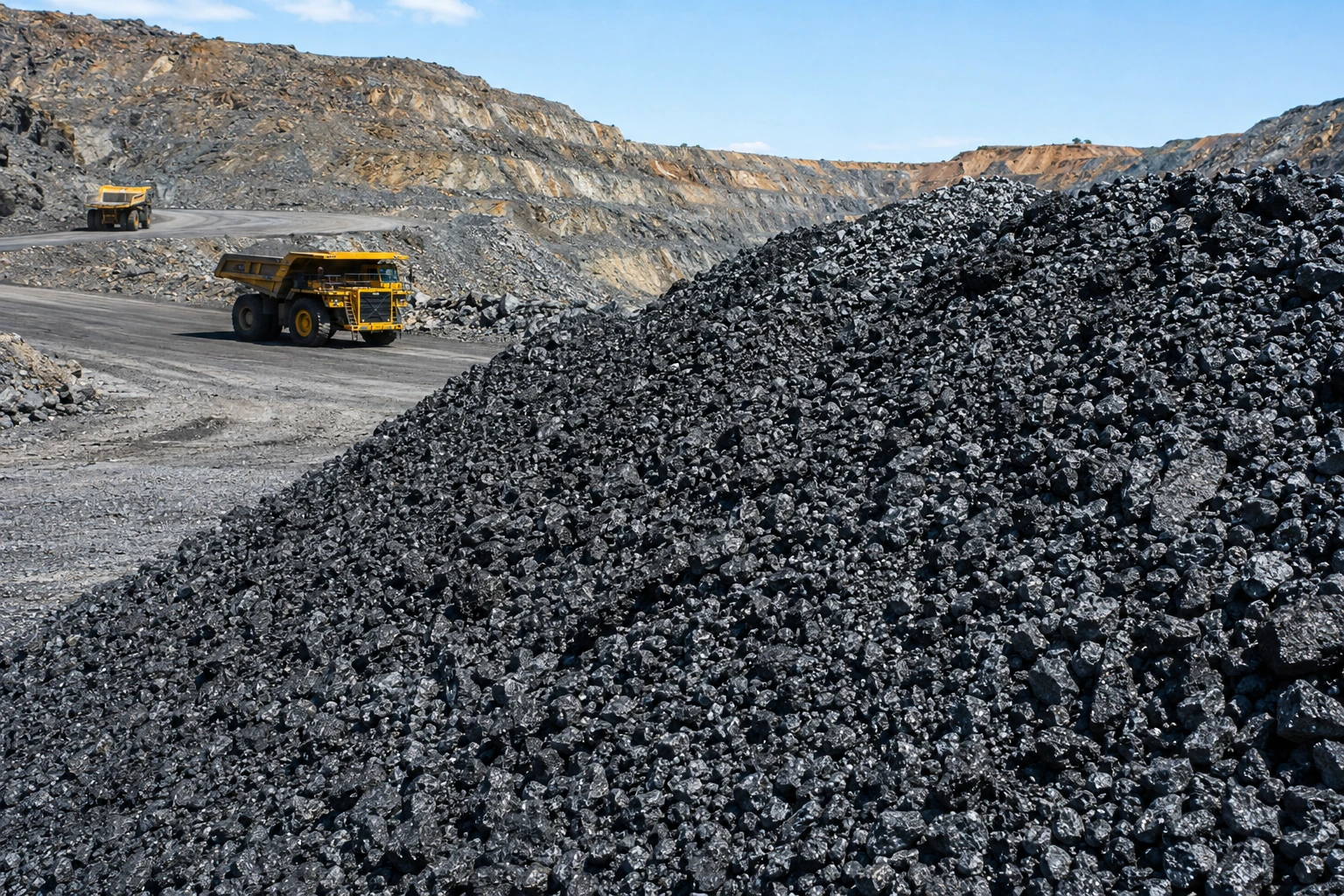
Start with the material basis, not the word antimony.
Ore, concentrate and metal are not interchangeable offers. Each form has a different assay basis, impurity profile, packing method, inspection need and commercial model.
AHR can then review whether the request is technically defined, commercially comparable and realistic for the proposed route.
What buyers should define first
- Material form: stibnite-bearing ore, concentrate or antimony metal.
- Target Sb assay, minimum acceptance level and dry or wet reporting basis.
- Maximum arsenic, lead, mercury, sulfur and other buyer-defined limits.
- Trial quantity, recurring volume, shipment window and destination.
- Sampling party, laboratory, controlling certificate and dispute method.
- Packing, palletization, Incoterm, origin evidence and document list.
Choose the form that matches the next industrial step.
AHR reviews the requested form against processing route, quality evidence, packing and destination. Availability and final specification remain lot-specific.
Antimony ore
Use ore inquiries when mineral source, Sb grade, mineralogy, moisture, particle size and beneficiation fit must be reviewed before processing or resale.
- Stibnite-bearing material
- Assay and mineralogy review
- Moisture and penalty elements
- Bulk, bag or FIBC packing
Antimony concentrate
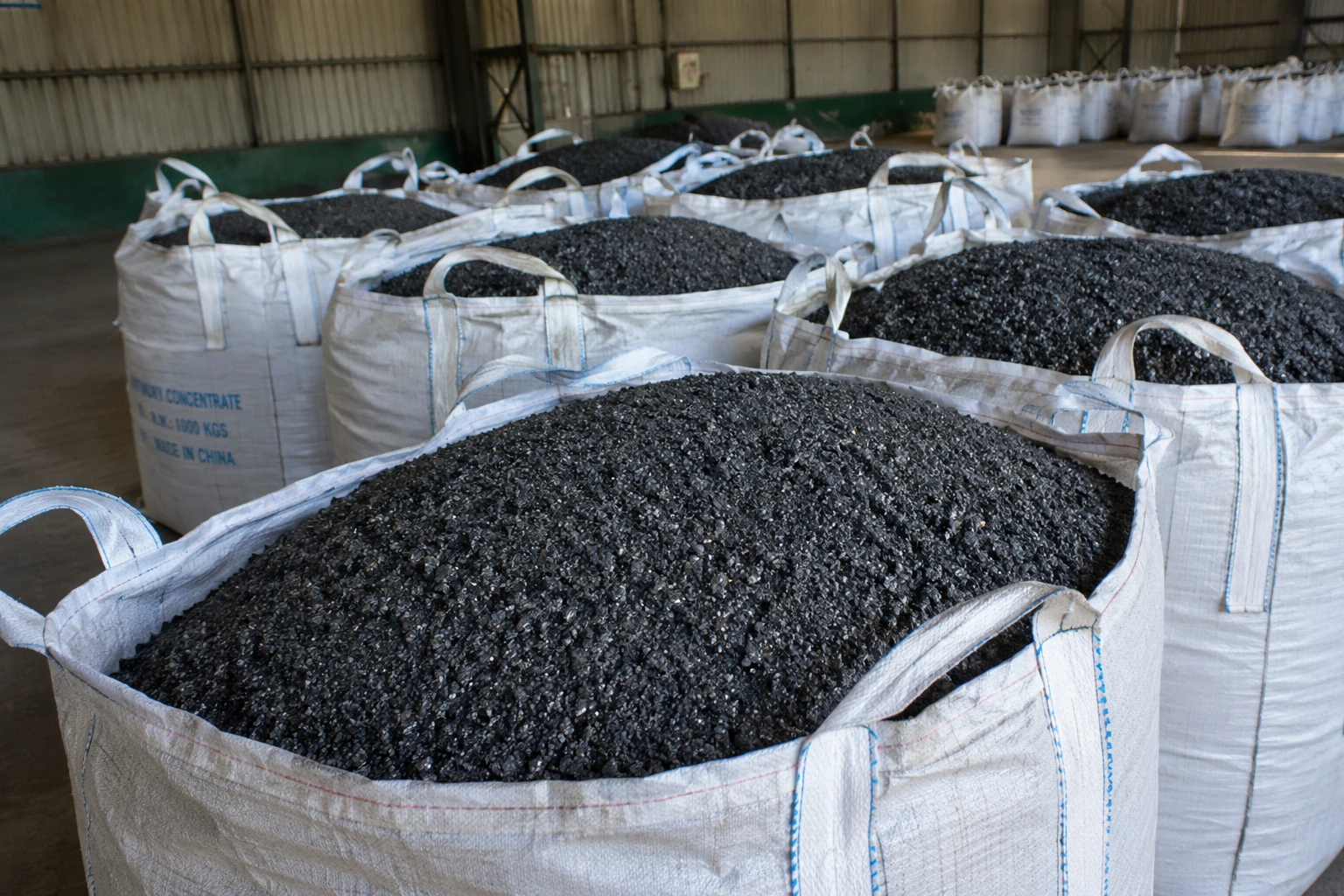
Use concentrate inquiries when dry metric tonnes, Sb assay, moisture, arsenic, lead, sulfur, payability and sampling rules control acceptance.
- Lot-specific assay basis
- Dry and wet weight alignment
- Penalty and deduction logic
- FIBC or agreed bulk handling
Antimony ingots
Use ingot inquiries when purity, grade, dimensions, unit weight, lot traceability, palletization and delivery basis must be confirmed.
- Purity and trace elements
- Heat or lot identification
- Bundle and pallet details
- Review the dedicated ingots page
Compare the same commercial basis before comparing price.
This table defines procurement logic. It does not state guaranteed grades, universal packing or current availability.
| Buyer criterion | Ore | Concentrate | Ingots |
|---|---|---|---|
| Primary decision | Mineral source and beneficiation fit | Smelter feed and payable content | Metal purity and downstream alloy use |
| Main value basis | Sb assay, mineralogy and recoverability | Dry contained Sb and agreed payability | Purity and delivered metal weight |
| Moisture relevance | High | High | Normally not applicable |
| Typical controls | Sb, As, Pb, Hg, sulfur, size, moisture | Sb, moisture, As, Pb, Hg, sulfur, payability | Purity, trace elements, dimensions, lot identity |
| Evidence | Representative sample and assay | Sampling report, assay and moisture certificate | Lot-specific CoA or grade certificate |
| Packing review | Bulk, bags or FIBC | FIBC, liner, pallet and net weight | Bundles, pallets, straps and lot marks |
Use buyer targets and lot results, not invented universal grades.
The final contract should state the test method, reporting basis, acceptance limits, sample identity and controlling certificate for the selected form.
Ore specification review
| Parameter | Buyer target | Supplier result | Method or evidence | Basis |
|---|---|---|---|---|
| Sb assay | Minimum or range | Lot-specific | Agreed XRF, ICP or assay method | Dry basis |
| Mineralogy | Process-specific | Sample-specific | Mineralogical or process review | Representative sample |
| Moisture | Maximum | Lot-specific | Agreed moisture method | As received |
| Penalty elements | Maximum limits | Lot-specific | Laboratory report | Dry basis |
| Particle size | Required range | Lot-specific | Sieve or agreed method | As supplied |
Concentrate specification review
| Parameter | Buyer target | Supplier result | Method or evidence | Commercial effect |
|---|---|---|---|---|
| Sb assay | Minimum or range | Lot-specific | Agreed laboratory assay | Contained metal and payability |
| Moisture | Maximum | Lot-specific | Moisture certificate | Dry tonnes and settlement weight |
| Arsenic, lead, mercury | Maximum limits | Lot-specific | Agreed analytical method | Acceptance or penalties |
| Sampling | Contract-defined | Inspection record | Increment, composite, seal and custody log | Assay defensibility |
| Payability | Contract-defined | Written quotation | Pricing schedule | Final payable metal basis |
Ingot specification review
| Parameter | Buyer target | Supplier result | Method or evidence | Basis |
|---|---|---|---|---|
| Purity or grade | Named grade or limits | Lot-specific | CoA or test certificate | Metal lot |
| Trace elements | Maximum limits | Lot-specific | Agreed analysis | Metal lot |
| Unit weight and dimensions | Handling requirement | Lot-specific | Packing data and measurement | Per ingot or bundle |
| Traceability | Heat or lot ID | Marked lot | Label, CoA and packing list | Shipment lot |
| Packing | Pallet and securing rules | Shipment-specific | Packing plan and photographs | Shipment |
Indicative procurement fields do not confirm a shipment. Final values must come from a lot-linked certificate, agreed sampling method and written commercial offer.
Normalize dry tonnes and contained Sb before comparing concentrate offers.
This calculator handles physical quantity only. It does not calculate final payable value, treatment charges, penalties, freight, tax or inspection cost.
Dry tonnes and contained antimony
Enter the gross shipment weight, moisture percentage and Sb assay. The example starts with 100 tonnes, 8% moisture and 45% Sb.
Contained Sb = dry tonnes x assay / 100
Interpretation: the result is not the settlement amount. A contract may also apply payability, free deductions, treatment charges, impurity penalties, benchmark dates and umpire assay rules.
Application fit depends on form, chemistry and downstream process.
The word antimony does not establish suitability. Buyers should name the intended process and technical standard before asking for a material recommendation.
Lead alloy systems
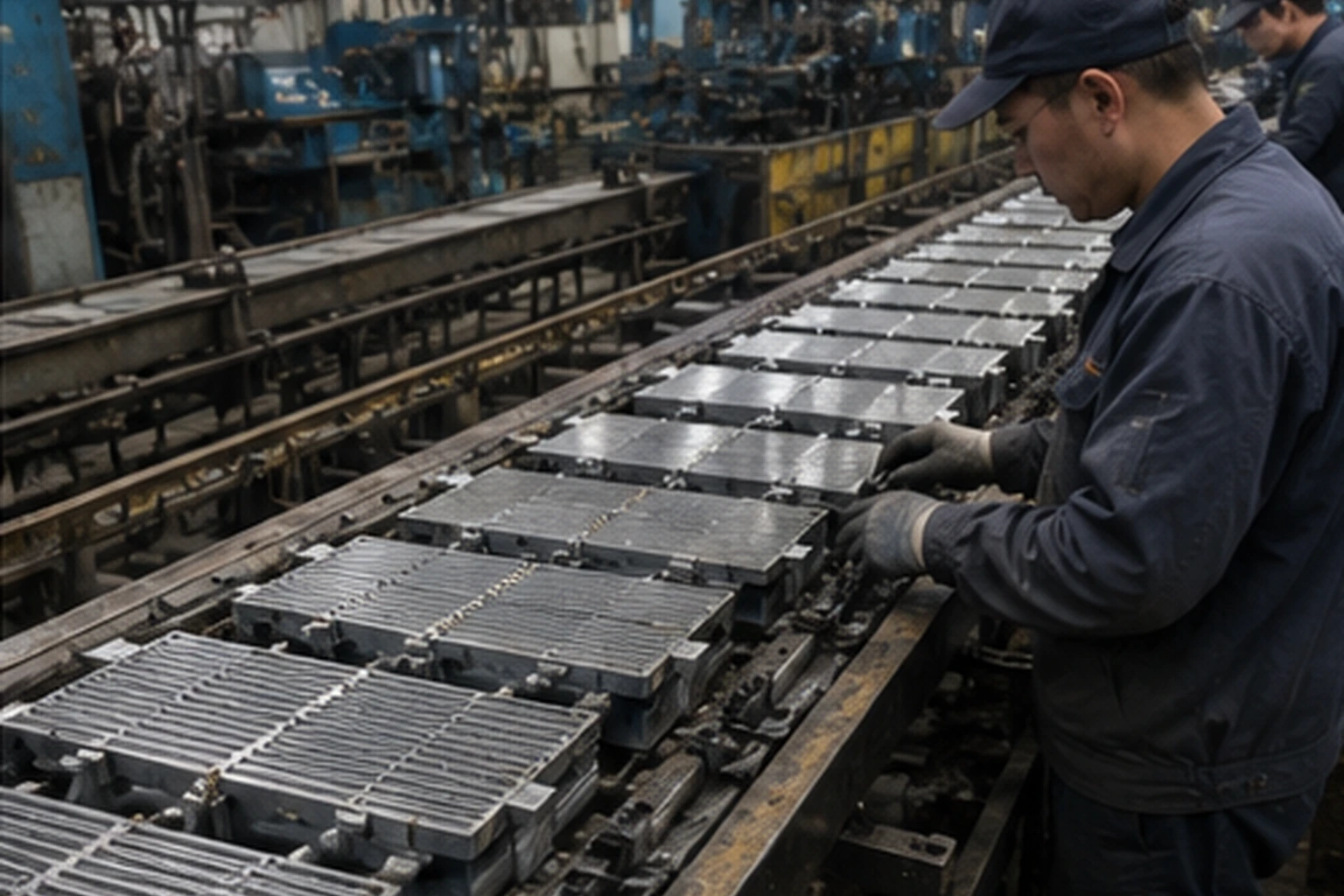
Selected battery grids and other lead alloys use antimony to adjust hardness and performance. Purity, trace elements and alloy composition must be confirmed.
Flame-retardant routes
Antimony trioxide can be used as a synergist in selected formulations. Buyers should specify oxide requirements rather than assume ore or metal is a direct substitute.
Specialty metallurgy
Antimony can be used in selected alloys and metal systems. The required form, grade and impurity limits depend on the production route.
Compounds and conversion
Processors may convert ore, concentrate or metal into downstream antimony compounds. Feed suitability requires process-specific review.
Connect the sample, laboratory result and shipment lot.
A certificate is useful only when the material identity, sample ID, lot, method, reporting basis and issue date can be traced to the shipment being purchased.
Requirement review
Confirm form, Sb target, impurity limits, quantity, application, destination and documents.
Supplier and origin review
Check the legal counterparty, origin chain, processor, warehouse and proposed route.
Sampling plan
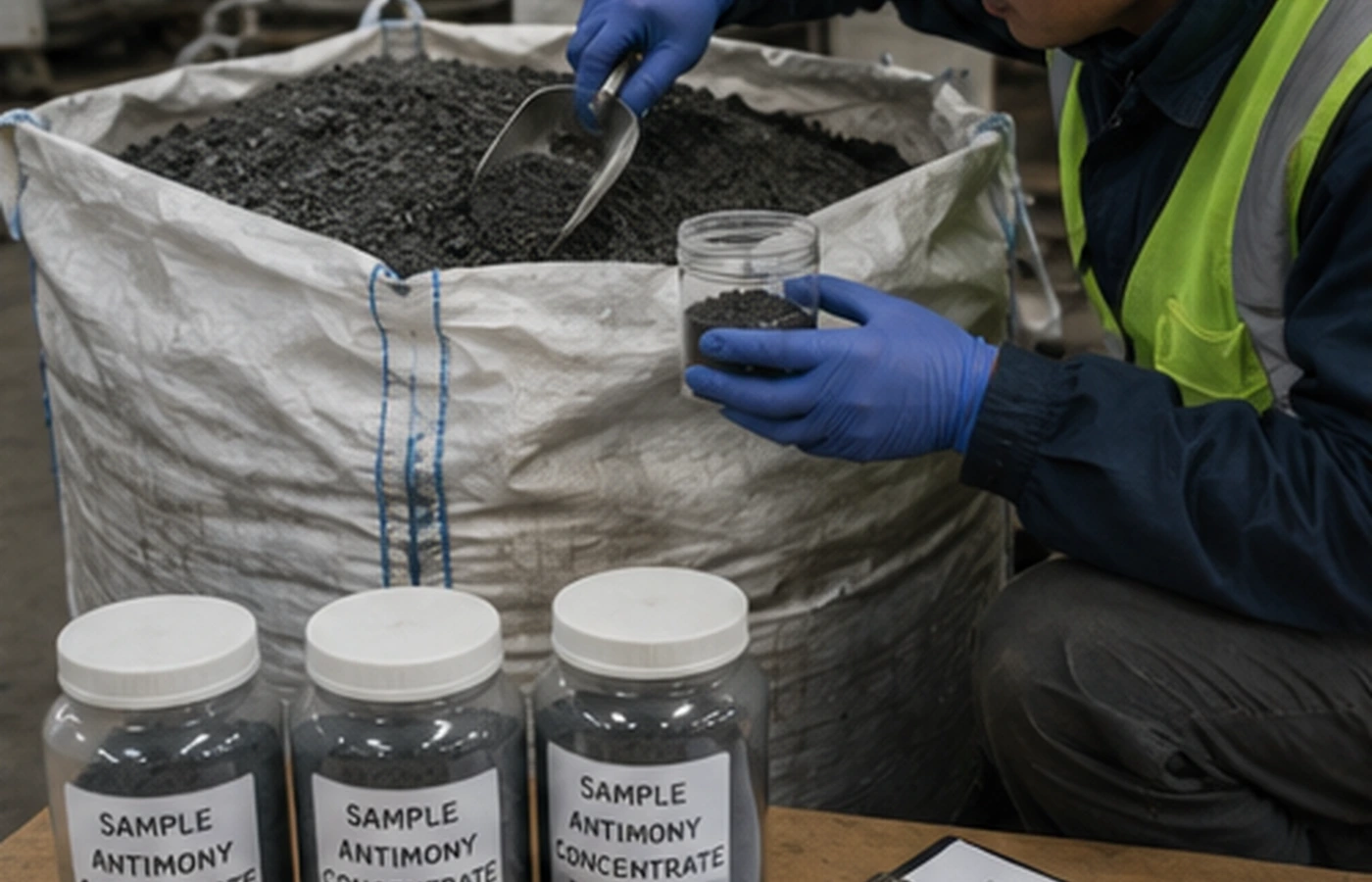
Define the lot, sampling point, increment count, composite preparation, seals and retained portions.
Laboratory review
Agree the analytical method, reporting basis, detection limits and laboratory role.
Commercial alignment
Set the controlling assay, allowable variance, penalties, payability and dispute mechanism.
Pre-shipment inspection
Check quantity, packing, labels, condition, container, seal and required certificates.
Document release
Match the final invoice, packing list, origin evidence, transport record and inspection files.
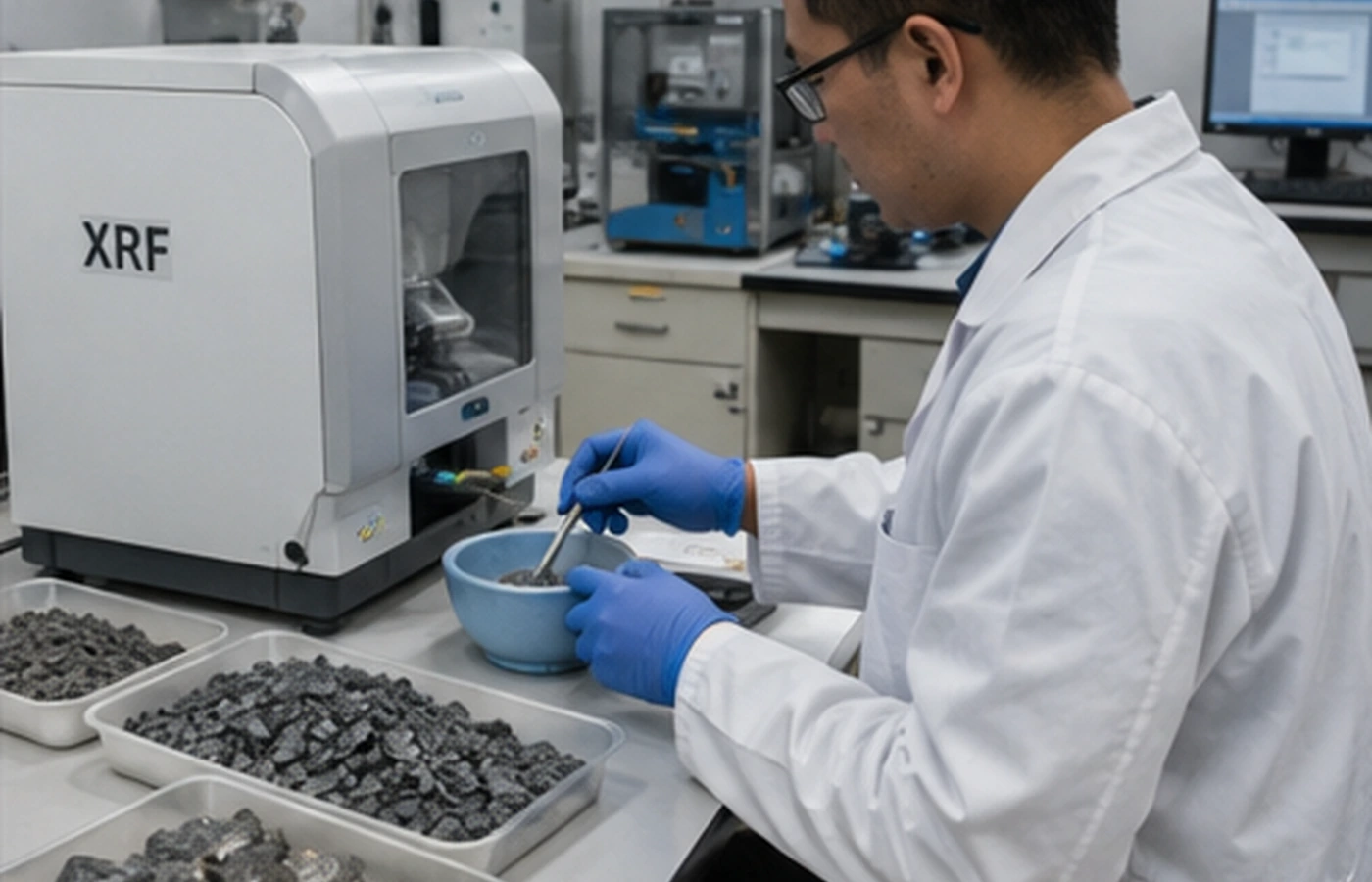
Separate company proof, product proof and shipment proof.
Available documents depend on product form, origin, supplier, shipment stage and contract requirements. A company certificate does not replace lot-specific shipment evidence.
Company and counterparty
Registration, authority, bank details, address, relevant certifications and due-diligence records.
Material evidence
Certificate of Analysis, assay report, Safety Data Sheet, specification, sample ID and lot reference.
Independent controls
Sampling report, laboratory report, weight certificate, condition record and inspection certificate when agreed.
Export and logistics
Commercial invoice, packing list, origin evidence, container and seal record, and transport document.
| Stage | Document | Buyer purpose | Control question |
|---|---|---|---|
| Prequalification | Company registration and certificates | Confirm legal counterparty and relevant management systems | Does the document identify the contracting entity? |
| Technical review | CoA or assay report | Review Sb, moisture and impurities | Does it identify the sample and lot? |
| Safety review | Safety Data Sheet | Support handling and classification review | Does it match the actual product form? |
| Inspection | Sampling, weight and inspection records | Support quantity and quality verification | Who performed the work and under which scope? |
| Shipment | Invoice, packing list, origin and transport record | Support customs, payment and receipt | Do product, quantity, lot and destination agree? |
A realistic shipment plan is part of the offer.
A low product price is not comparable when packing, payload, inspection, freight, route, import requirements or document responsibility remain undefined.
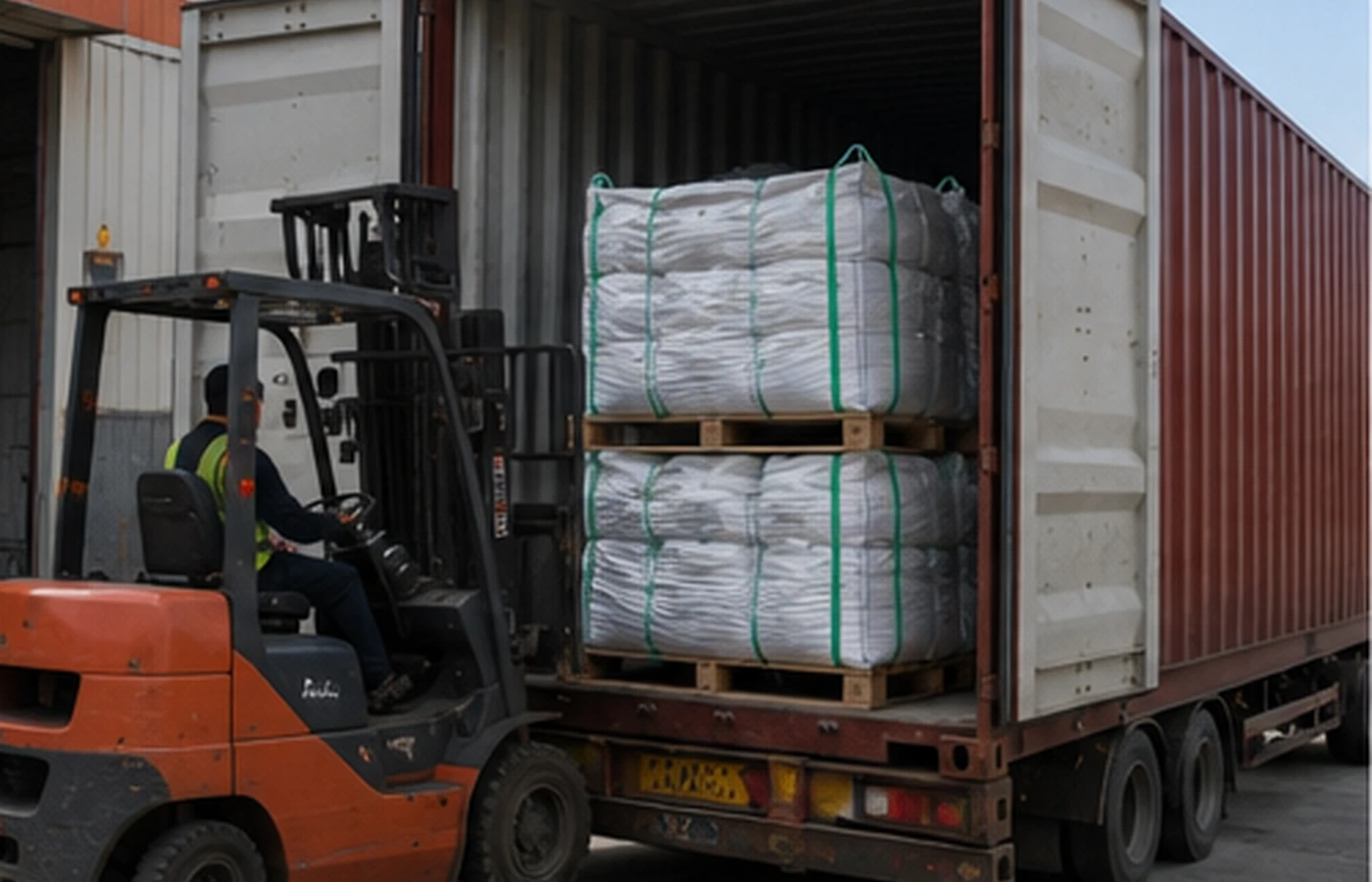
Ore packing
Review bulk handling, lined bags or FIBC, net weight, moisture protection, loading method and route restrictions.
Concentrate packing
Review FIBC construction, liner, bag weight, palletization, stacking, moisture protection and container payload.
Ingot packing
Review bundle size, unit weight, straps, pallet or skid, lot marks, securing and handling equipment.
Shipment controls
Confirm origin, destination, Incoterm, loading point, inspection point, container or bulk mode, schedule and document responsibility.
What changes an antimony quotation?
The written offer should identify the pricing date, validity, material basis and included scope. Do not apply a refined-metal benchmark directly to ore or concentrate.
Quotation inputs
- Product form and target specification.
- Dry or wet basis, Sb assay and moisture.
- Penalty elements, payability and deductions.
- Trial quantity, recurring volume and delivery window.
- Origin, warehouse or loading point.
- Packing, inspection, freight and Incoterm.
- Payment terms, validity and repricing conditions.
Offer comparison rule
Compare offers only after normalizing material form, dry tonnes, contained Sb, impurity limits, packing, inspection scope, freight basis, destination and quotation date.
Historical or third-party market references are context. They are not a live AHR selling price and do not replace a written shipment quotation.
Expose failure points before payment and loading.
The purpose is not to claim zero risk. It is to define the evidence and controls needed for the actual transaction.
Wet and dry basis mismatch
Contained metal is compared using different weight bases. Define the moisture method and settlement basis.
Generic or unmatched CoA
The report does not identify the shipment lot. Require lot-linked sample and certificate details.
Unclear origin or route
The seller cannot show the source, processor, warehouse or export chain. Review origin and route evidence.
Undefined sampling
The contract does not state who samples, where or how disputes are handled. Agree the procedure before shipment.
Different analytical methods
Results may not be directly comparable. Define the method, laboratory and controlling certificate.
Unpriced logistics scope
Freight, handling, inspection or duty responsibility is omitted. Compare on the same Incoterm and destination basis.
Download the fields needed for a reviewable request.
The files are generated in the browser. They do not submit or store buyer data.
Antimony RFQ template
CSV fields for form, assay, impurities, quantity, route, documents, inspection and commercial terms.
Shipment checklist
CSV checklist for specification, sampling, inspection, packing, origin, loading and shipment documents.
Offer comparison sheet
CSV worksheet for dry tonnes, contained Sb, payability, penalties, packing, freight and landed comparison.
Use technical guides to prepare the specification and contract basis.
These internal resources support market context, assay review, payability, due diligence, responsible sourcing and shipment planning.
Antimony market 2026
Official-data review of supply concentration, policy, trade and buyer controls.
Review market contextICP-OES for antimony ore
Review elemental analysis, preparation, quality control and reporting logic.
Review assay methodologyPricing and payability
Understand contained metal, deductions, penalties and contract calculations.
Review payability logicHow antimony price assessments work
Separate benchmark methodology from shipment-specific quotation terms.
Review price methodologySupplier due diligence
Review legal entity, evidence, banking, origin and performance controls.
Review supplier checksResponsible sourcing audits
Prepare supplier, origin, labor, environmental and documentation review.
Review audit requirementsCross-border logistics
Review route, packing, border, customs and shipment evidence.
Review logistics casesAHR certifications
Review available company-level certificates and request supporting files.
Review certificationsEvidence should match the decision being made.
AHR can coordinate requirement review, supplier documentation, inspection scope and shipment preparation. Final evidence remains product-, lot-, origin- and contract-specific.
Requests are organized around specification, quantity, route, inspection and required files.
Company, product, inspection and shipment evidence are separated so buyers can see what each file proves.
Lot, sample, laboratory, packing and shipping identifiers are aligned where the contract requires them.
Third-party inspection, sampling, laboratory review and export-document needs can be defined before shipment.
Send enough detail for a comparable antimony quotation.
The form prepares a structured WhatsApp message. No information is submitted until you choose to send it in WhatsApp.
Minimum information
- Material form and intended application
- Target Sb and impurity limits
- Trial quantity and recurring volume
- Packing and destination
- Preferred Incoterm and delivery window
- Inspection and document requirements
Antimony procurement FAQ.
These answers help buyers prepare the specification, inspection scope and shipment request.
Which antimony forms can AHR review?
AHR can review requests for antimony ore, concentrate and ingots. Buyers should state the required form, application, quantity, destination and documents. Other antimony materials should be described explicitly rather than assumed available.
What Sb assay should a buyer specify?
The target depends on material form and downstream process. State the required minimum or range, dry or wet basis, analytical method and acceptance rule. Do not rely on a generic product name.
How is moisture handled in a concentrate quotation?
Moisture affects dry shipment tonnes and contained Sb. The contract should state the moisture method, sampling point, maximum level and settlement basis.
Which impurities should be reviewed?
Common buyer-defined controls may include arsenic, lead, mercury, sulfur and other process-specific elements. Limits and analytical methods must be agreed for the actual application.
Can third-party sampling and inspection be arranged?
Inspection can be coordinated when required. The contract should define the inspector, location, scope, sampling method, laboratory, controlling certificate and dispute process.
Which documents may be available before shipment?
Depending on the material and stage, buyers may review a CoA, assay, Safety Data Sheet, origin evidence, packing data, inspection records and draft shipment documents. Availability must be confirmed for the actual lot.
How are dry tonnes and contained Sb calculated?
Dry tonnes equal gross tonnes multiplied by one minus the moisture fraction. Contained Sb equals dry tonnes multiplied by the Sb assay fraction. Final payable value may also include payability, deductions, penalties and charges.
Is a market benchmark the final shipment price?
No. A benchmark may refer to a different form, grade, location or date. A shipment quotation must state the material basis, origin, quantity, Incoterm, destination, inspection scope and validity.
What information is required for quotation?
Send the form, Sb target, impurity limits, quantity, schedule, application, packing, destination, Incoterm, inspection needs, document list and company contact details.
Can an umpire laboratory be included?
Yes, when both parties agree. The contract should define retained samples, trigger conditions, laboratory selection, acceptable variance and how the umpire result affects settlement.
Technical context and update control.
This product page provides procurement logic. It does not publish a live antimony price or guarantee a universal grade, origin or shipment schedule.
Need antimony checked for a real shipment?
Send the form, Sb target, quantity, destination, Incoterm, inspection scope and document requirements.