

Knowledge Centre · Mineral Logistics
Cross-Border Mineral Logistics Case Studies
Four illustrative planning scenarios showing how documentation, packaging, cargo handling, customs coordination and route selection can influence international industrial mineral shipments.
These are educational planning examples, not quotations, guaranteed schedules or representations of completed Al Habtoor Resources shipments. Requirements vary by mineral, route, contract, carrier and jurisdiction.
How Cross-Border Mineral Logistics Works
A mineral shipment may pass through inland transport, export customs, port handling, ocean carriage, import clearance, storage and final delivery. The appropriate route depends on the commodity, packaging, shipment volume, destination, Incoterm and applicable customs requirements.
Moisture sensitivity, contamination risk, cargo classification, equipment availability and document consistency can affect carrier acceptance and delivery performance. The commercial contract, transport route, packaging specification and supporting documents should therefore be reviewed together before loading.
Illustrative scenarios
Four Mineral Logistics Planning Cases
Each example focuses on a practical risk-control question rather than a claimed commercial result.
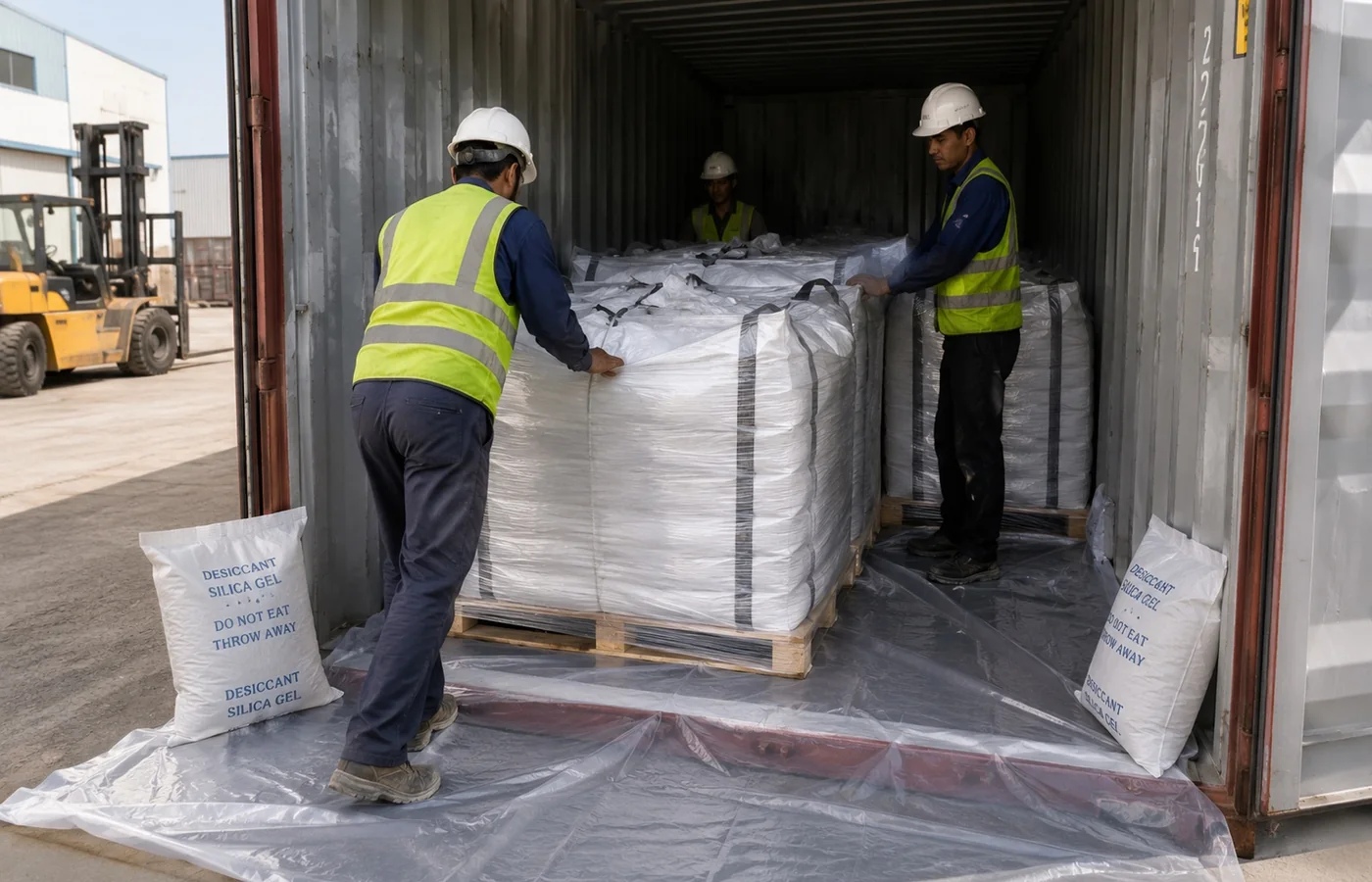
Moisture-Controlled Container Planning
Fine mineral products can be exposed to humidity, condensation and packaging damage. A route plan should define container inspection, bag integrity, pallet configuration, barrier materials and desiccant placement before loading.
- Planning focus
- Moisture prevention
- Key controls
- Dry container, liners and sealed bags
- Document check
- Consistent product and weight descriptions
- Decision point
- Packaging suitability for route duration
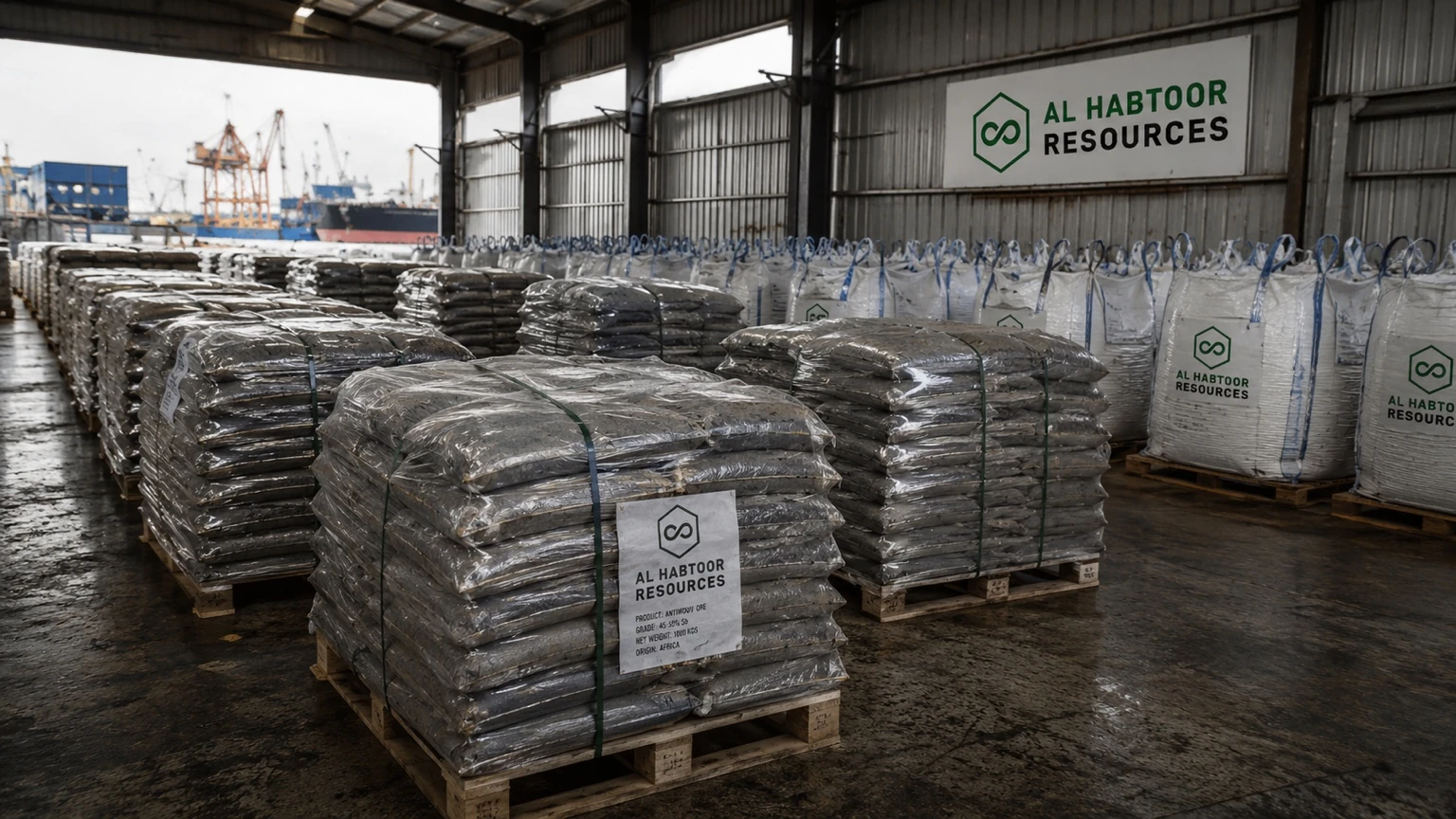
Cargo Description and Document Alignment
Concentrates and mineral-bearing materials may require careful carrier descriptions and supporting documentation. The invoice, packing list, certificate data and transport instructions should describe the cargo consistently.
- Planning focus
- Cargo acceptance
- Key controls
- Verified description and package count
- Document check
- Invoice, packing list and certificate alignment
- Decision point
- Carrier review before booking

Staged Storage and Inspection Planning
Where a shipment may require inspection, sampling or staged release, controlled storage can form part of the route design. The plan should define cargo control, release authority and the allocation of storage and handling charges.
- Planning focus
- Controlled cargo release
- Key controls
- Traceable lots and secure storage
- Document check
- Release authority and inspection records
- Decision point
- Direct delivery or staged warehousing
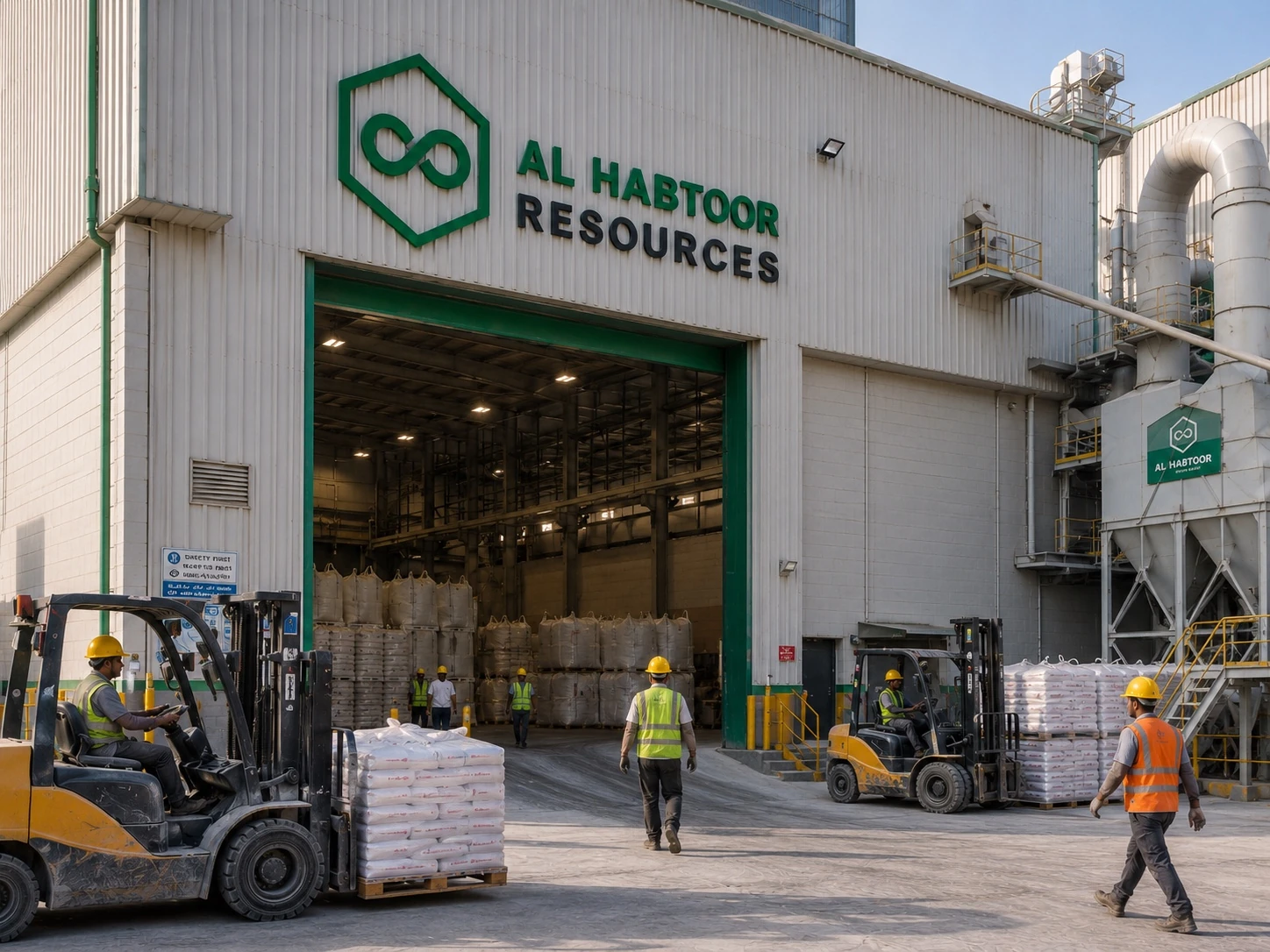
Batch Identity and Final-Mile Coordination
Blended mineral products require clear batch identification, packaging records and delivery instructions. The route plan should preserve traceability from loading through warehouse handling and final delivery.
- Planning focus
- Batch traceability
- Key controls
- Lot labels and handling records
- Document check
- Blend name, quantity and consignee details
- Decision point
- Warehouse staging and delivery sequence
Risk controls
Common Risks Across Mineral Supply Chains
Document inconsistency
Invoices, packing lists, certificates and transport instructions should use compatible descriptions, weights and package counts.
Moisture and contamination
Packaging should reflect cargo characteristics, route duration, storage conditions and handling exposure.
Cargo classification
HS classification and carrier descriptions should be reviewed before shipment, especially for blends and concentrates.
Equipment availability
Container type, payload limits and carrier acceptance should be confirmed before fixing the loading date.
Schedule variability
Published transit times may exclude inspections, congestion, document holds and final-mile constraints.
Responsibility gaps
The contract and Incoterm should clearly allocate freight, customs, insurance, storage and delivery responsibilities.
Procurement checklist
Information to Prepare Before Requesting a Route Plan
Commodity details
Commercial name, technical description and available supporting documents.
Quantity and packaging
Total weight, package count, unit weight, dimensions and pallet or bulk-bag configuration.
Origin and destination
Loading location, preferred port, delivery point and any storage or inspection stage.
Commercial terms
Incoterm, delivery window and responsibility for customs, insurance and inland transport.
FAQ
Cross-Border Mineral Logistics Questions
What documents are commonly reviewed?
Common documents can include the commercial invoice, packing list, certificate information, transport instructions and customs documentation. Exact requirements depend on the cargo, route and jurisdiction.
How do Incoterms affect responsibilities?
Incoterms allocate selected costs, risks and delivery responsibilities between buyer and seller. They do not replace the sales contract or determine every customs, insurance or regulatory obligation.
Why does mineral packaging matter?
Packaging helps control moisture exposure, contamination, material loss and handling damage. The correct design depends on the mineral, route, storage conditions and handling method.
What can delay a shipment?
Potential causes include document discrepancies, carrier review, inspection, congestion, equipment shortages, customs holds and final-mile constraints.